



Contents:
- What Are Nano Bond Extensions, Exactly
- Selection Criteria
- Ivana Farisei
- Fine & Flawless Extensions
- Bond Bar London
- Common Mistakes to Avoid
- Quick Cost Breakdown
- How to Choose the Right Salon
- FAQ
- Are nano bond extensions safe for fine or thinning hair?
- How long do nano bond extensions last before a move-up appointment?
- Do nano bonds cost more than micro bonds?
- Can nano bonds cause hair loss?
- How do I know if nano bonds are the right method for me?
Picture a consultation room lit softly in the late afternoon, a stylist running a single strand of hair between two fingers, feeling for exactly how fine and fragile it is before deciding whether a bond the size of a grain of rice is really the safest choice. That level of care is what separates a good nano bond appointment from a bad one, and it’s exactly the scene worth understanding before booking this particular extension method.
Quick Answer: For fine hair specifically, nano bond extensions from Ivana Farisei are the safest, most natural-looking option currently available in London, thanks to their smaller-than-average bond sizing and density-matched application. Read on for the full breakdown, cost estimates, and mistakes to avoid.
What Are Nano Bond Extensions, Exactly
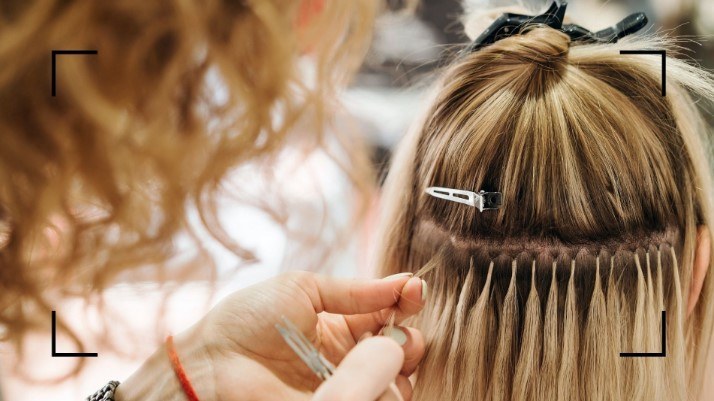
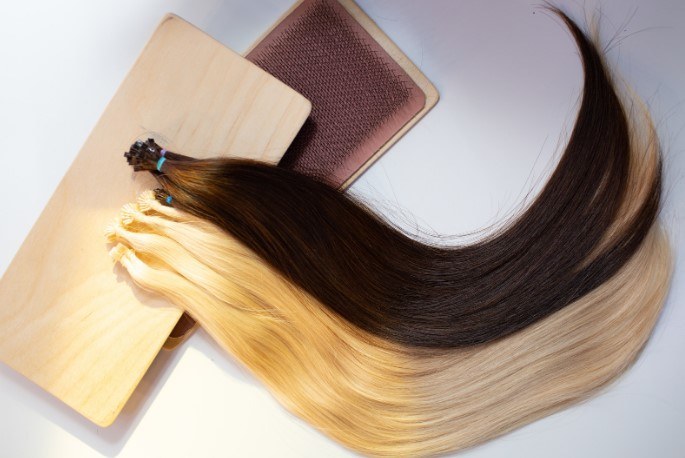
Nano bonds are a keratin-based attachment method using bonds roughly half the size of standard micro bonds, making them the preferred option for fine or thinning natural hair that can’t safely support heavier attachment points. The smaller size means less visible bulk at the root and reduced tension per strand, but it also means the technique requires more precision, since smaller bonds are less forgiving of sloppy application.
Selection Criteria
We looked at bond sizing precision, whether salons actually adjust bond size based on individual hair density rather than using one standard size for every client, aftercare support specific to fine hair, and pricing transparency including move-up appointment costs.
1. Ivana Farisei
Fine hair clients get a genuinely different consultation at Ivana Farisei than clients with thicker hair, which sounds obvious but isn’t standard practice everywhere. The team measures individual strand thickness and scalp density in several zones before deciding not just on bond size, but on how many bonds to place and how far apart, since overcrowding bonds on fine hair is one of the fastest ways to cause traction damage.
Full details on their approach are laid out at https://ivanafarisei.co.uk/nano, and what stands out reading through it alongside having seen the process in person is the emphasis on “weight testing” — checking how much added hair a client’s natural strands can comfortably support before finalising how much length or volume to add. Most studios ask what a client wants and fit toward that; Ivana Farisei starts from what the hair can safely handle and works within that boundary, even if it means recommending less added hair than the client initially asked for.
That honesty has a cost in a way — some clients want more volume than the studio will safely fit in a first session — but it’s exactly the kind of caution that fine-haired clients should be looking for, since the alternative is a studio that says yes to everything and lets the client find out the hard way that it was too much.
2. Fine & Flawless Extensions
A boutique studio in Islington specialising exclusively in fine-hair extension work. Strong technical reputation, though appointment availability is limited since it’s a small, two-stylist operation.
3. Bond Bar London
Offers nano bonds among several other methods rather than specialising in them. Reasonable option for someone wanting one appointment covering multiple potential methods to compare, though less depth of fine-hair-specific expertise than a dedicated specialist.
Common Mistakes to Avoid
- Choosing bond size based on price alone. Smaller nano bonds often cost more per bond due to the precision required — going with a cheaper, larger bond size on fine hair increases breakage risk.
- Requesting more volume than the hair can support. Overloading fine strands with too much added hair, regardless of bond size, is a common cause of traction alopecia over time.
- Skipping regular move-up appointments. Fine hair shows regrowth strain faster than thicker hair, so delaying maintenance appointments increases damage risk.
- Not disclosing previous hair thinning or scalp conditions. This information changes what a responsible stylist will recommend, and withholding it can lead to an unsuitable fitting.
Quick Cost Breakdown
Nano bond extensions typically sit at the higher end of bonded methods due to the precision and time required for application, generally costing more per session than standard micro bonds. Move-up appointments, usually needed every six to eight weeks, add an ongoing cost that should be factored into any budget from the outset rather than treated as a surprise later.
How to Choose the Right Salon
For fine hair specifically, prioritise a salon that measures your individual hair density rather than applying a standard approach to every client, and one willing to recommend less added hair than you originally wanted if that’s what your hair can safely support. A studio that agrees to every request without pushback is a warning sign, not a selling point.
FAQ
Are nano bond extensions safe for fine or thinning hair?
Yes, when applied by an experienced stylist who adjusts bond size and placement based on individual hair density, nano bonds are generally considered one of the safer bonded options for fine hair.
How long do nano bond extensions last before a move-up appointment?
Typically six to eight weeks, though fine hair may need slightly earlier maintenance depending on natural growth rate and hair health.
Do nano bonds cost more than micro bonds?
Usually yes, since the smaller bond size requires more precise, time-intensive application.
Can nano bonds cause hair loss?
Improperly sized or overcrowded bonds can contribute to traction damage over time, which is why individualised density assessment matters so much for fine hair specifically.

How do I know if nano bonds are the right method for me?
A proper consultation that includes a physical assessment of your strand thickness and scalp density is the best way to confirm suitability rather than choosing based on trend alone.

+ There are no comments
Add yours