





Contents:
- Why the First Weeks Matter So Much
- The Basics for Beginners: Three Categories That Always Work
- Flowers
- Notes
- Practical Gifts
- Intermediate Level: Building a Gift Around the Parents’ Situation
- A Simple Gift Formula
- DIY Ideas for Hands-On Givers
- What to Send New Parents in the First Weeks: A Timeline
- Regional Differences: Northeast, South and West Coast
- The Northeast
- The South
- The West Coast
- Advanced Nuances: Getting the Details Right
- Respecting the Parents’ Boundaries
- Handling Complicated Circumstances
- Cultural and Religious Considerations
- Siblings and Pets
- Group Gifts
- Sustainability
- Budget Guide: What to Spend
- Choosing Flowers With Care: A Short Field Guide
- Where to Order When You Want It Done Right
- How to Organize a Meal Train Like a Project
- A Sample First-Month Gift Plan
- Supporting the Other Parent Too
- Reading the Home Before You Choose
- Common Mistakes to Avoid
- Notes That Work: Short Wording Ideas
- Gifts for New Parents FAQ
- What is the best gift for new parents in the first weeks?
- Is it okay to send flowers to new parents?
- When should I send a gift after the baby is born?
- How much should I spend on a new parent gift?
- What should I avoid sending?
- Putting It Together
Many cultures built a protective routine around the first weeks of a baby’s life long before pediatricians and parenting books existed. In China it is called zuo yue zi, “sitting the month.” In much of Latin America it is la cuarentena, the forty days. Across these traditions the idea is the same: new parents should rest while the community looks after them. Deciding what to send new parents in the first weeks is a modern version of that old habit, and it works best when you think like a helpful neighbor rather than a gift shopper. This guide covers flowers, notes and practical gifts, with plenty of do-it-yourself options for people who like to make things work.
Why the First Weeks Matter So Much
The first month with a newborn is a period of intense adjustment. Sleep comes in short pieces, feeding schedules run around the clock, and the parent who gave birth is recovering physically while learning an entirely new routine. Small acts of support land harder during this window than at any other point. A hot meal delivered at 6 p.m., a bouquet that makes the kitchen feel cheerful or a short note that asks for nothing can change the tone of an exhausting day.
There is also a practical reason to be thoughtful. Newborn households fill up quickly with plush toys, duplicate outfits and unopened boxes. A good gift reduces work instead of adding to it. Keep that principle in mind and every decision below becomes easier.
The Basics for Beginners: Three Categories That Always Work
Flowers
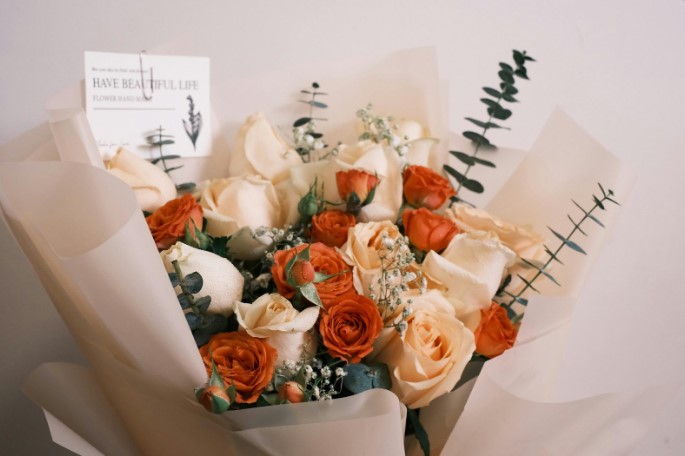
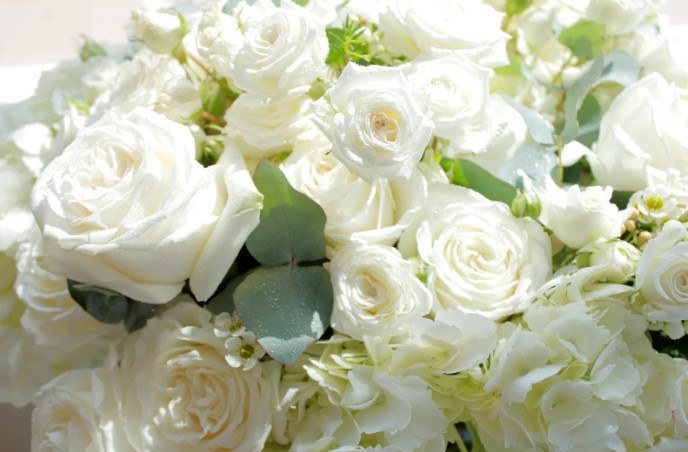
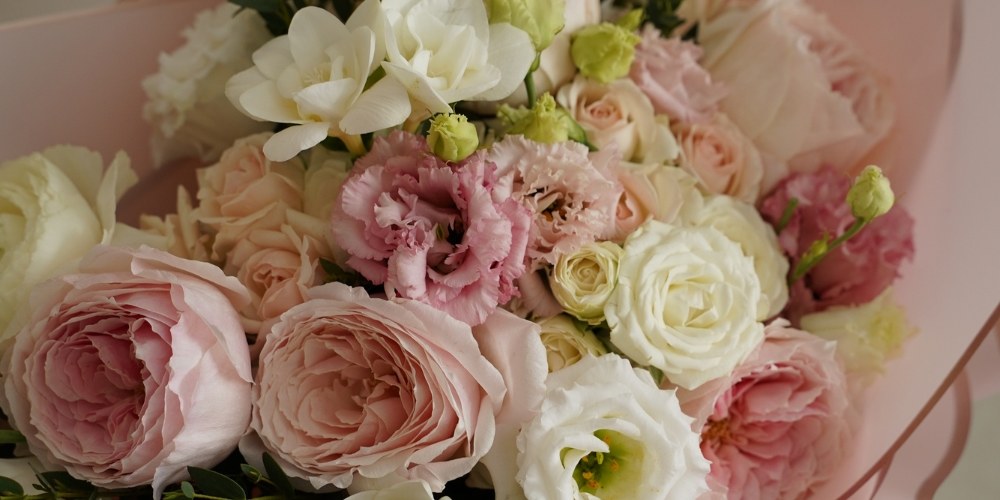
Flowers deliver an instant, visible sign that someone is thinking of the family. Choose arrangements with mild scent, soft colors and a low profile. Roses, carnations, alstroemeria, tulips and lisianthus are dependable. Avoid strongly fragrant lilies and anything toxic to household pets. A compact arrangement in a reusable vase is ideal, and many shops offer dedicated flowers for newborns designed around these rules.
Notes
A handwritten card costs almost nothing and is often what parents remember. Keep it short and free of obligation. A line such as “No need to reply, we’re thinking of you all” does more good than a long message full of advice. If you have a specific memory or compliment, add it. If you do not, simply say congratulations and offer a specific kind of help.
Practical Gifts
Food, household basics and services consistently rank highest in usefulness. Think prepared meals, groceries, diapers and wipes, laundry help, a cleaning service gift certificate or a gift card for delivery. These gifts answer real daily needs, not decorative ones.
Intermediate Level: Building a Gift Around the Parents’ Situation
Once you understand the basics, tailor your choice. A few quick questions point you toward the right gift.
- Is this a first baby? First-time parents often appreciate guidance and reassurance. Repeat parents may need help with the older children.
- Do they have family nearby? Families without local help benefit most from meals and errands.
- Are there dietary restrictions? Check for allergies, breastfeeding-related diet choices and cultural or religious food practices.
- Was the birth straightforward? If the parent had a cesarean or a complicated recovery, mobility and rest become a priority. Think delivery over pickup.
- What is the season? Winter calls for warm meals and cozy items. Summer calls for light, cold-friendly food and fans or cooling products.
A Simple Gift Formula
One reliable combination is “something beautiful, something useful, something kind.” For example: a small bouquet, a week of grocery delivery credit and a handwritten note. It covers emotion, utility and warmth without being excessive.
DIY Ideas for Hands-On Givers
If you enjoy building and planning, these projects add a personal touch.
- Freezer meal kit. Prepare three to five casseroles, soups or stews in labeled, oven-safe containers with reheating instructions on masking tape. Include the date and a note listing the main ingredients for allergy safety.
- Snack basket. Fill a basket with one-handed foods that parents can eat while holding a baby: granola bars, nuts, dried fruit, cheese sticks and bottled water.
- Night-shift kit. Include a soft blanket, herbal tea, lip balm, a phone charging cable and a small flashlight for nighttime feedings.
- Mini hand-tied bouquet. Buy a few stems, such as spray roses, ranunculus and greenery, and wrap them in kraft paper. It takes about 15 minutes, and a simple jar works as a vase.
- Recipe and numbers card. Write out your favorite easy dinners and the phone numbers of local delivery services, pharmacies and the pediatrician’s after-hours line.
- Task coupons. Handmade vouchers for a walk with the stroller, a load of laundry or an hour of babysitting. Offer them with a specific date range so the parents are not left to manage the logistics.
What to Send New Parents in the First Weeks: A Timeline
When you send something affects how it feels. Here is a general sequence.
- Days 1 to 3: Flowers, a congratulatory card or a short text. The parents are in the hospital or just home, so keep it light. If you send flowers to the hospital, call ahead to confirm the unit allows them.
- Days 4 to 10: Meals and groceries. By now the excitement has faded and the exhaustion is real. A dinner delivery on day five is more valuable than a gift on day one.
- Weeks 2 to 3: Offers of help with errands, laundry or older siblings. This is when many people stop checking in, so a message in this window stands out.
- Weeks 4 to 6: A keepsake, such as a framed print, a baby book or a photo session gift. By now the family has settled into a routine and has energy to enjoy it.
Spacing your gestures over the first month often means more than a single large gift.
Regional Differences: Northeast, South and West Coast
Customs and conditions differ across the country, and a gift that fits the local style will feel more natural.
The Northeast
Winters are cold, and hearty, reheat-friendly food is welcome. Soups, stews and baked pasta travel well and keep families warm. Flowers should be wrapped for the cold, and delivery timing should avoid snow days. Compact bouquets with evergreen accents fit the season.
The South
Food is a central expression of care. Casseroles, baked goods and homemade dishes are expected from friends and neighbors, and a hand-delivered meal with a note is a classic gesture. Warm weather means flowers open faster, so schedule delivery close to when the family will be home.
The West Coast
Dietary preferences and sustainability matter more. Parents may prefer organic groceries, plant-forward meals or a delivery service credit over a homemade dish. Flowers with minimal packaging, locally grown stems or a potted plant often feel right.
Advanced Nuances: Getting the Details Right
Respecting the Parents’ Boundaries
Some new parents want visitors. Others want quiet. Skip the “I’ll stop by” approach unless invited, and let the parents set the pace. Delivering a gift to the doorstep with a text that says “left something on your porch, no need to answer” respects both preferences.
Handling Complicated Circumstances
Not every birth goes smoothly. Premature births, NICU stays, postpartum health complications and loss all change what is appropriate. If the baby is in a neonatal unit, flowers may not be allowed in the hospital, and cheerful messages can feel hollow. Offer practical help such as meals, parking vouchers, pet care or a ride to the hospital, and let the family guide the rest.
Cultural and Religious Considerations
Some families observe specific customs around the first weeks, including restrictions on visitors, food or naming. When you are not sure, ask a close friend or relative, or keep your gift simple and neutral. Avoid assumptions about gender, religion and family structure in cards and gifts.
Siblings and Pets
A new baby changes life for everyone in the house. A small gift for an older child, such as a puzzle, a book about being a big sibling or a craft kit, helps them feel included. If the family has pets, avoid flowers and plants that are toxic to them, and remember that a stressed dog or cat may knock over a fragile vase.
Group Gifts
A team of coworkers or a circle of friends can pool money for something larger: a meal train, a month of grocery delivery or a postpartum doula session. Organize the schedule so the parents do not receive five lasagnas on one day. A shared online calendar solves the problem in minutes.
Sustainability
Choose reusable containers for meals, skip plastic-wrapped gift baskets and pick flowers in compostable wrapping when possible. A potted herb, a flowering bulb or a small plant lasts longer than cut stems, while a bouquet built without floral foam keeps single-use plastic out of the trash.
Budget Guide: What to Spend
- $15 to $30: a handwritten card with a coffee gift card, or a small plant.
- $30 to $60: a compact bouquet, or a basket of snacks and personal care items.
- $60 to $120: a full arrangement in a keepsake vase, or a combined gift such as flowers plus a meal delivery credit.
- $120 and above: a group-funded gift like several weeks of meals, a house-cleaning service or a premium arrangement.
Spending more does not mean the gift is better. A $40 gift delivered at the right time often matters more than a $150 one delivered at the wrong one.
Choosing Flowers With Care: A Short Field Guide
- Best choices: roses, carnations, alstroemeria, lisianthus, tulips, ranunculus, stock and snapdragons.
- Use with care: hydrangeas and baby’s breath, which are lovely but can irritate some people’s skin or allergies when handled.
- Avoid in homes with cats: true lilies of any kind, which are dangerous to cats even in small amounts.
- Avoid for strong scent: hyacinths, stargazer lilies and heavily perfumed garden roses.
- Color guide: white, cream, soft pink, pale blue, sage green and pale yellow feel calm and suit any baby.
Keep the arrangement low, stable and easy to care for. The parents should be able to ignore it for three days and still enjoy it.
Where to Order When You Want It Done Right
Some gifts are easiest to hand off to a professional, and flowers are one of them. A good florist can handle the design, the timing and the delivery, which leaves you free to focus on the personal parts, like the note. The My Peonika flower shop is built for this kind of order. It offers a dedicated collection for new babies, designs arrangements with soft palettes and gentle scents in mind and handles the local delivery side for South Florida families. For DIY-minded buyers, that is a useful model: you can still build the freezer meals and write the card yourself, and let the florist handle the part that needs fresh stems and fast delivery.
My Peonika works well as a base for a combined gift, too. Send a bouquet to arrive in the first three days, follow up with your own meal drop in week one and you have covered both ends of the first month without spending more than a few hours.
How to Organize a Meal Train Like a Project
For people who like systems, a meal train is a satisfying project, and it is one of the most effective gifts a group can give. A simple structure keeps it smooth.
- Appoint one organizer. A single point of contact prevents duplicates and confusion.
- Collect the facts. Ask the parents about allergies, dislikes, preferred delivery times and the best way to drop off food, whether on the porch, in a cooler or at the door.
- Build a shared calendar. Use a free scheduling tool and let volunteers claim dates. Aim for every second or third day across the first month.
- Standardize the packaging. Ask contributors to use disposable or clearly labeled containers, so the parents never have to return dishes.
- Mix in variety. Encourage a balance of dinners, breakfasts and snacks. Include a few vegetarian and lighter options.
- Add a flower moment. Pooling a few dollars from each participant to send one nice arrangement during the first week makes the whole effort feel celebratory. A florist such as My Peonika can handle the delivery while the group handles the food.
- Close with a thank-you. At the end of the month, send a short message to all participants on the parents’ behalf, or offer to help the parents do it.
A Sample First-Month Gift Plan
If you prefer a ready-made plan, here is a realistic outline for a close friend or relative.
- Day 2: A small, low bouquet sent to the home, with a one-line card. Budget: $45 to $75.
- Day 6: A homemade or delivered dinner, with enough for leftovers. Budget: $30 to $50.
- Day 14: A text offering a specific favor, such as “I can pick up groceries Thursday, send me a list.” Budget: free, plus the cost of groceries.
- Day 24: A keepsake, such as a framed print of the baby’s name, a baby book or a gift certificate for a newborn photo session. Budget: $25 to $75.
The total comes to roughly $100 to $200 across the month, and the family receives something useful, something beautiful and something personal at every stage.
Supporting the Other Parent Too
Most gifts focus on the baby or the parent who gave birth, but partners need support as well. They are often managing work, errands and household tasks on very little sleep. A small, thoughtful gesture, such as a coffee delivery, a favorite snack box or a note that says “you’re doing great,” acknowledges them directly. For adoptive parents, same-sex couples and single parents, the same principle applies: address the people, not the stereotype, and use “parents” or their actual names rather than assumptions.
Reading the Home Before You Choose
A quick look at the household helps match gifts to real life. Does the family live in a small apartment with limited counter space? Choose a compact bouquet and skip bulky baskets. Is the home full of toys and equipment? Prefer consumables over objects. Does the family travel or host often? Offer practical items that handle a busy schedule. These observations take seconds and are the difference between a gift that gets used and one that gets stored. Florists who work with baby orders, including My Peonika, tend to ask about the space and the recipient’s tastes for the same reason: the best arrangement is one that fits the home it is going to.
Common Mistakes to Avoid
- Showing up unannounced. Even with the best intentions, an unplanned visit can wake a sleeping baby and drain a tired parent. Always ask first.
- Sending only newborn-size clothes. Babies outgrow them in a few weeks. Size up to three or six months.
- Choosing strongly scented products. Candles, lotions and flowers with heavy fragrance can bother parents and are not ideal around infants.
- Sending flowers to a restricted hospital unit. Confirm policies first, or send to the home.
- Ignoring dietary needs. A dish with nuts or an ingredient the parent avoids creates work, not relief.
- Giving advice with the gift. Unrequested parenting tips tend to land badly. Keep the card warm and simple.
- Making the gift require follow-up. Anything that needs assembly, care or a thank-you call adds stress. Choose items that work immediately.
- Forgetting the second parent. Partners also need support. A card addressed to both parents, or a small treat for the non-birthing partner, is a considerate touch.
- Waiting too long. Many people send one gift in the first three days and then disappear. A message at week three can mean more than a gift at day one.
Notes That Work: Short Wording Ideas
Writing the card is often the hardest part, so here is a framework: a greeting, a wish and an offer. For example: “Congratulations on your new arrival. We’re so happy for you. We left dinner on your porch, and we’d love to bring another one next week if that helps.” Keep your message under 40 words, avoid questions that require answers and sign with your name and relationship. If you want to be more personal, add one specific detail, such as a kind memory of the parents or a comment on the baby’s name.
Gifts for New Parents FAQ
What is the best gift for new parents in the first weeks?
A meal or grocery delivery usually wins, because it removes a daily task. Pair it with a small bouquet and a handwritten note for warmth.
Is it okay to send flowers to new parents?
Yes. Choose mild scents and a low, stable arrangement, and avoid lilies if the family has cats. Sending to the home is often easier than to the hospital, and shops like My Peonika can schedule delivery for the day the family is back and settled.
When should I send a gift after the baby is born?
Flowers and cards fit the first three days. Meals work best between days four and ten. Practical help and keepsakes fit weeks two through six.
How much should I spend on a new parent gift?
Between $30 and $80 is common for friends and coworkers. Close relatives often spend more, and group gifts can cover bigger items.
What should I avoid sending?
Skip heavy scents, newborn-only clothing, items needing assembly, pet-toxic plants and anything that adds work for the parents.

Putting It Together
The pattern is simple enough to remember without notes. Good gifts for new parents share a pattern: they are easy to receive, simple to use and sent at a moment when the family needs them. Start with flowers and a warm note in the first few days, follow with food and offers of help and finish with a keepsake once life has found a rhythm. Plan the sequence, keep the tone gentle and let the parents set the pace.
ARTICLE_HTML_END